
About the Oven
Collapsible content
What makes Kiwi Pizza Oven different from cheaper pizza ovens?
A lighter pizza oven can heat up quickly, but it also loses heat quickly. Kiwi Pizza Oven is built around a refractory dome and cooking floor that store heat, with insulation helping to keep that heat in the oven for longer.
That gives you more than a short pizza session. You can cook pizza first, then use the retained heat for bread, roasting and slow cooking over up to 12 hours. It means more time cooking and eating together, without having to keep starting again from a cold oven.
What can I cook in a Kiwi Pizza Oven?
Much more than pizza. Once the oven is hot, you can use the stored heat for bread, roasting and slow cooking as the temperature gradually falls.
One firing can give you up to 12 hours of useful cooking, so you can move from pizza to a roast, then use the remaining heat for slower dishes later on.
How many pizzas can I cook at once?
The cooking floor has room for up to three standard pizzas at a time, depending on their size and where you position the fire.
Because pizzas cook quickly at pizza temperature, you can keep them coming for larger groups without needing an oversized oven.
How heavy is the oven?
The completed oven weighs approximately 600 kg.
The oven has a self-supporting base, so it does not need a concrete benchtop. It simply needs a stable, level frame or stand strong enough to support the oven. The stand can be built from timber, concrete blocks or bricks.
Can the oven be moved later?
Yes. Because the oven has a self supporting base, it is not permanently built into one masonry structure.
If you move house or redesign your outdoor area, the oven can be lifted and relocated with suitable equipment.
How do wood fired pizza ovens work?
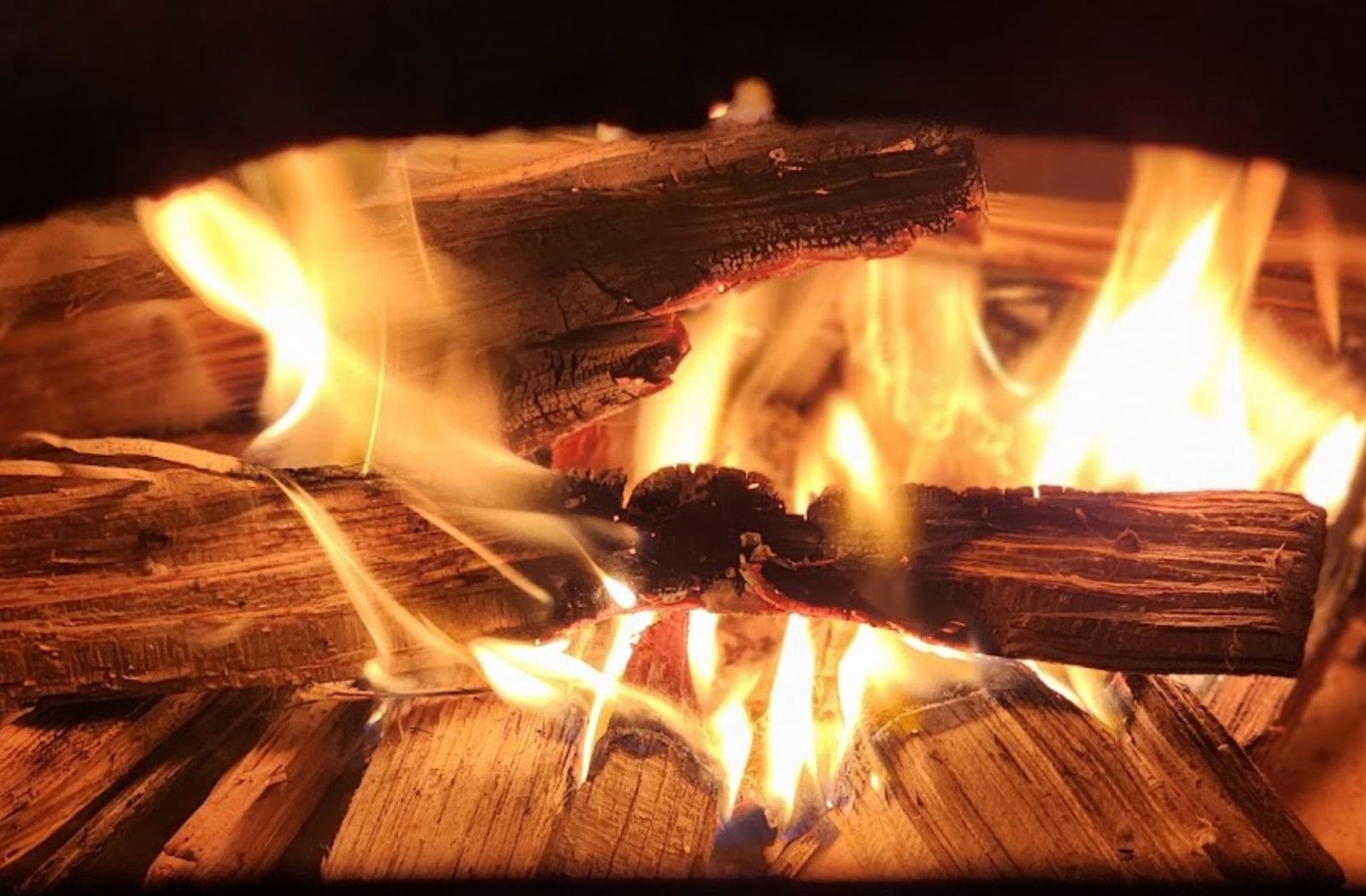
A wood fired oven stores heat in its refractory dome and cooking floor. The fire heats that thermal mass, and the stored heat continues cooking even as the fire reduces.
Good insulation helps keep that heat in the oven for longer, which is why you can move from pizza to bread, roasting and slower cooking from one firing.
Why does thermal mass matter?
Thermal mass is what allows the oven to store heat and keep cooking after the fire has reduced. The refractory dome is made from an alumina rich refractory material chosen for its ability to handle high temperatures and store heat, while the separate refractory cooking floor adds further thermal mass.
The current oven reflects what we have learned over years of building Kiwi Pizza Ovens in New Zealand. We have refined the materials, insulation and construction to give the oven a long, useful cooking window from a single firing.
This is what lets you move from pizza to bread, roasting and slow cooking as the temperature gradually falls.
Where is the current Kiwi Pizza Oven made?
The current Kiwi Pizza Oven kitset is manufactured by us in Australia. We produce in small batches, casting and finishing the major refractory and cementitious components ourselves. The kitset is then supplied to New Zealand through our Christchurch warehouse.
Can I see a Kiwi Pizza Oven before buying?
Yes. You can arrange a viewing at our New Brighton warehouse in Christchurch.
Contact us first so we can make sure someone is available to show you the oven and answer any questions.
Using the Oven
How long does a pizza take to cook?
Once the oven is at pizza temperature, a pizza typically takes around 2 to 3 minutes to cook, depending on the temperature, dough and toppings.
The hot refractory floor cooks the base while the heat from the dome cooks the top, so you get an even bake without needing a long cooking time.
How long does the oven take to heat up?
Allow around 2 to 3 hours for the oven to reach full pizza temperature.
We recommend using dry firewood, as wet or poorly seasoned wood will burn less efficiently and can significantly increase heating time.
The oven needs this time for the refractory dome and cooking floor to absorb and store heat properly.
What kind of firewood should I use?
Use dry, well seasoned firewood.
Dry wood burns more efficiently, produces a cleaner fire and helps the oven reach cooking temperature more quickly. Avoid wet or green wood, and never burn painted, treated or manufactured timber in the oven.
How long before I can use the oven?
The oven needs to go through a curing process before its first full cook.
Curing takes around five days and involves a series of gradually hotter fires that slowly bring the oven up to cooking temperature. Once the curing process is complete, the oven is ready for normal use.
How do I clean the cooking floor?
Once the oven has cooled, remove loose ash with a brush or oven rake.
For normal use, the cooking floor does not need to be washed. High cooking temperatures help burn away most food residue, and any remaining ash can simply be brushed aside before the next cook.
Building the Kitset
Can I build the kitset myself?
Yes. The main oven components are prefabricated, so there is no bricklaying or cutting involved in the standard build.
Basic DIY skills and common tools are enough for most of the assembly. Some components are heavy, so you need another person to help with lifting and positioning.
How long does the kitset take to assemble?
Allow around 10 to 15 hours of hands on assembly time.
The build is spread over a few days so the mortars, adhesive and finishing materials can set and harden properly between stages.
What is included in the kitset?
The kitset includes all the main components and materials needed to build and finish the oven.
You receive the precast oven components, refractory cooking floor, insulation, outer shell, stainless steel door and rain cap, plus the mortars, adhesive, render and reinforcing materials required for the standard build. Under oven flexible pads and an infrared thermometer are also included as part of the complete kitset.
What tools do I need to assemble the kitset?
You will need common DIY tools for mixing, measuring, applying mortar and finishing the oven.
There are no specialist masonry tools required for the standard build. A full tool list is provided with the assembly instructions so you can have everything ready before you start.
What if I need help during the build?
If you get stuck or something is unclear during assembly, contact us before moving on.
Pawel can help with practical questions about the build and talk you through the next step if needed. For anything that is easier to explain visually, we can also arrange a video call.
Included with the Kitset
Why would I need under oven flexible pads?
The under oven flexible pads are 5 mm thick and sit between the oven base and the surface underneath.
They act as spacers, help separate the oven from moisture in the substrate, allow ventilation underneath, and help absorb stresses caused by loads and small movements.
They also allow the oven’s self drying system to work correctly.
Why would I need an infrared thermometer?
An infrared thermometer is especially useful during the curing process.
Curing is done over a few days using small, controlled fires to gradually remove moisture from the mortar. During this time, it is important to monitor the oven temperature carefully and make sure it does not rise too quickly.
The thermometer on the oven door is not accurate enough for this stage, so an infrared thermometer gives you a much better way to check the temperature during curing.
Delivery, Pickup & Returns
Is freight included in the price?
Freight is not included in the kitset price.
Depot freight prices are shown on our Delivery page. Select the nearest StraitNZ depot or agent on the map to see the current price, including GST.
Standard urban home delivery can be arranged for $150 additional to the depot freight price. Rural, remote or restricted-access addresses are quoted separately.
Can you deliver the kitset to my home?
Yes. Standard urban home delivery can be arranged for $150 additional to the depot freight price.
This applies to standard urban addresses with suitable truck access. Rural or remote properties, steep or restricted access, unsealed roads, or deliveries requiring special unloading equipment may require an individual freight quote.
What if I would prefer the oven assembled?
You can buy the kitset from us and arrange assembly separately with Kelvin in New Brighton.
Kelvin handles the assembly and finishing independently, with pricing agreed directly with him. If you are interested, contact us and we can point you in the right direction.
What is your returns policy?
You can return an unused and unassembled kitset within 30 days of delivery.
The kitset needs to be in its original packaging and you will need proof of purchase. Return freight is the customer’s responsibility and a 10% restocking fee applies.
This does not affect your rights under the Consumer Guarantees Act.